

Newsletter Subscribe
Enter your email address below and subscribe to our newsletter

All voices matter
All voices matter
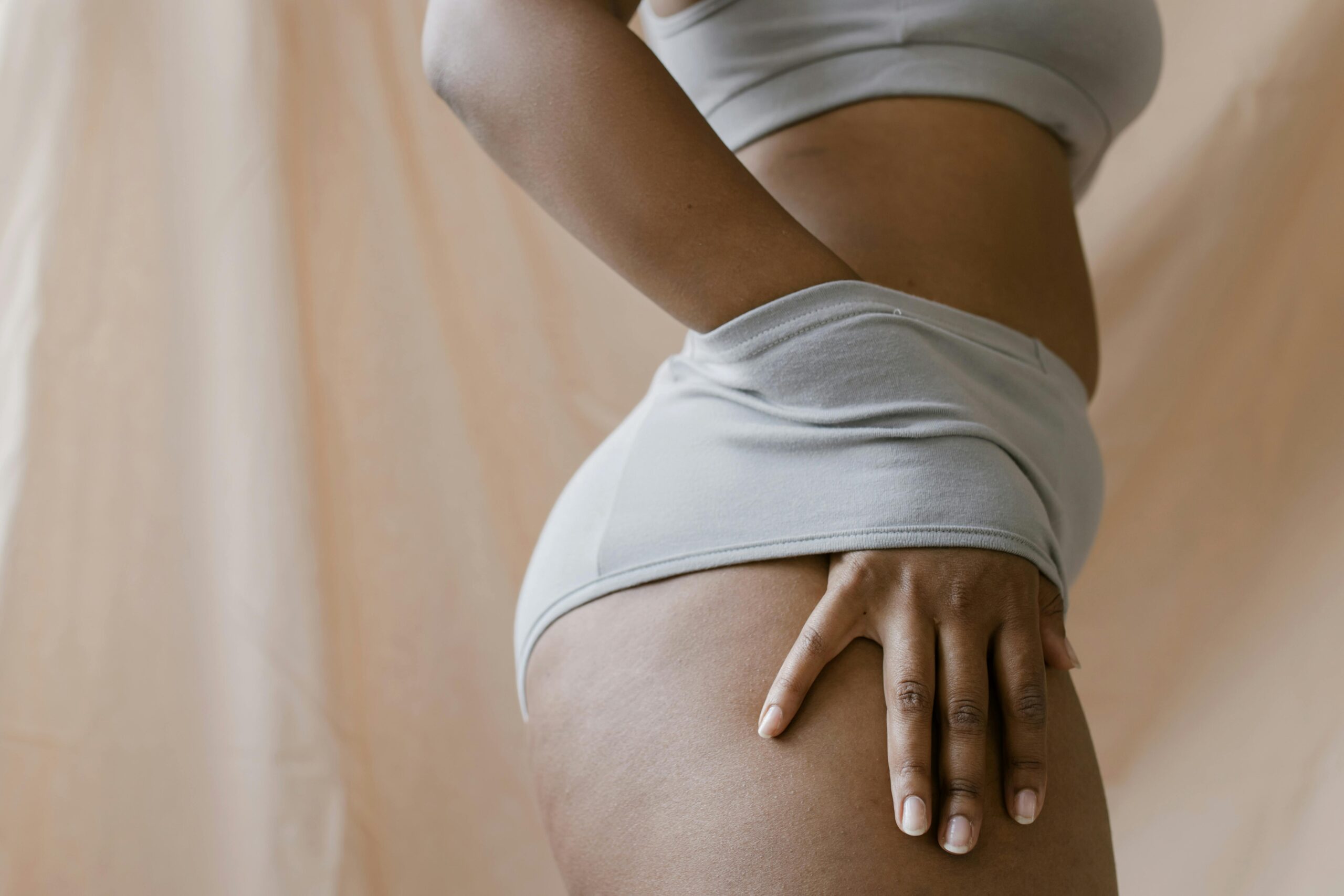
Choosing underwear is not merely a matter of aesthetics or price. It is a critical decision that directly influences intimate health, thermoregulation, and the overall condition of the skin. In an era dominated by synthetics and highly engineered textiles, we find ourselves returning to fundamental questions about what truly benefits the human body.
Does cotton remain the gold standard? Is silk an expensive luxury or an investment in physiological health? And finally, does bamboo fulfill its promise as a sustainable, eco-friendly alternative? Based on rigorous dermatological research and textile engineering, this comprehensive analysis provides definitive answers.
The human intimate zone is characterized by elevated temperatures, higher humidity, and a delicate, acidic pH level (pH 3.8–4.5 in biological females). Ideal underwear must serve three critical physiological functions:
When a fabric traps moisture and metabolic heat, it creates an optimal microclimate for the proliferation of opportunistic pathogens such as Candida albicans and various anaerobic bacteria. This frequently manifests as chronic yeast infections, contact dermatitis, vaginosis, and bromhidrosis (unpleasant odor).
For decades, cotton has been lauded as the safest textile for close-to-skin wear. This remains true, but only if the material is unbleached, non-impregnated, and harvested from organic cultivation.
Lingerieinfo.com Expert Recommendation: Prioritize certified organic cotton (GOTS) or extra-long staple varieties such as Pima or Supima. These fibers feature longer, smoother filaments that mitigate mechanical friction against sensitive skin. Avoid budget underwear with a fabric weight below 120 g/m²; it lacks structural integrity, shears easily, and degrades rapidly after laundering.
Natural mulberry silk (derived from the cocoons of the Bombyx mori moth) possesses extraordinary biophysical properties. Due to its biocompatibility, it is utilized in advanced medical dressings and recommended as a first-line textile for individuals suffering from severe Atopic Dermatitis (AD).
Lingerieinfo.com Expert Recommendation: 100% pure mulberry silk (specifically Grade 6A) is an unparalleled choice for individuals managing chronic dermatological conditions, experiencing menopausal hot flashes, or seeking optimal daily physiological comfort. Exercise extreme caution: counterfeit synthetics labeled as “satin”, “viscose silk”, or “acetate” lack these medical benefits entirely.
Bamboo fibers are surrounded by intensive greenwashing. Promoted aggressively as “completely natural and inherently antibacterial,” the reality within textile engineering is vastly different. Almost all bamboo underwear on the market is actually bamboo viscose (or bamboo rayon).
Raw, woody bamboo stalks must undergo harsh alkaline hydrolysis using carbon disulfide (CS2) followed by rigorous chemical bleaching. Chemically speaking, the resulting fiber is identical to standard viscose derived from birch or eucalyptus; its primary advantage is merely that the bamboo plant biomass grows at a faster rate.
Lingerieinfo.com Expert Recommendation: Bamboo viscose serves as an acceptable mid-tier textile—vastly superior to pure synthetics, but inferior to certified organic cotton or genuine silk. If purchasing bamboo, always verify the presence of the OEKO-TEX Standard 100 Class I certificate, and look for a composition specifying over 90% Bamboo Lyocell with a maximum of 5–7% elastane.
| Fabric / Material | Pathological & Physical Risk Assessment |
|---|---|
| Polyester | Near-zero breathability. Accumulates static charges, exacerbates localized hyperhidrosis, and facilitates explosive fungal proliferation. |
| Nylon (Polyamide) | Acts as a moisture and thermal trap. Acceptable only in minor structural reinforcements (<10%). |
| Acetate (Faux Silk) | Zero breathability. Degrades rapidly when exposed to acidic sweat, occasionally releasing irritating chemical compounds onto the skin. |
| Standard Viscose | High water absorption capacity but suffers from extremely sluggish drying times and heavy chemical post-processing. |
| Cotton + Elastane Blends (>15%) | High elastomer content seals the weave. After multiple laundry cycles, it behaves functionally like a pure synthetic textile. |
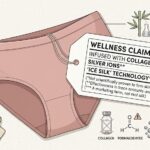
| Antimicrobial Finishes (Triclosan, Ionic Silver) | Disrupts the symbiotic dermal microbiome, introduces substantial risks of contact allergies, and contributes to microbial resistance. |
The Golden Composition Rule: Simplicity dictates health. Look for labels indicating either 100% natural mulberry silk or 95–98% organic cotton paired with 2–5% elastane. Strictly avoid garments processed with commercial performance coatings such as “soft finish”, “easy care”, or “non-iron”, as these rely on the cross-linking of carcinogenic formaldehyde resins.
| Clinical Need / Skin Condition | Indicated Fabric Selection | Contraindicated Materials |
|---|---|---|
| Healthy Skin (Daily Wear) | Organic Cotton (GOTS Certified) | Polyester, High-Elastane Blends |
| Recurrent Intimate Infections | 100% Mulberry Silk | Standard Bamboo Viscose, Synthetics |
| Atopic Dermatitis (AD) & Allergies | Pure Silk or Undyed Hipoallergenic Cotton | All Synthetic Fabrics, Chemical Finishes |
| High-Intensity Athletic Activity | Engineered Double-Layer Fabrics (Polypropylene + Cotton) | Standard Monolithic Polyester |
| Venous Insufficiency (Heavy Legs) | Graduated Low-Compression Medical Cotton | Non-Certified Constrictive Synthetic Bands |
Critical Maintenance Note: Even the most advanced biomedical fabric cannot compensate for poor hygiene. Underwear must be replaced daily. Avoid fabric softeners and chemical finishing agents entirely, as they coat the fibers and seal the open pores of the textile. Finally, always launder cotton intimates at a minimum temperature of 60°C to effectively eradicate fungal spores and dermatophytes.
Invest in the textile layer that protects your health—your skin does not compromise, and neither should you.
Prepared by the Lingerieinfo.com Editorial Team in collaboration with dermatologists and textile engineers. Last Updated: July 2026.